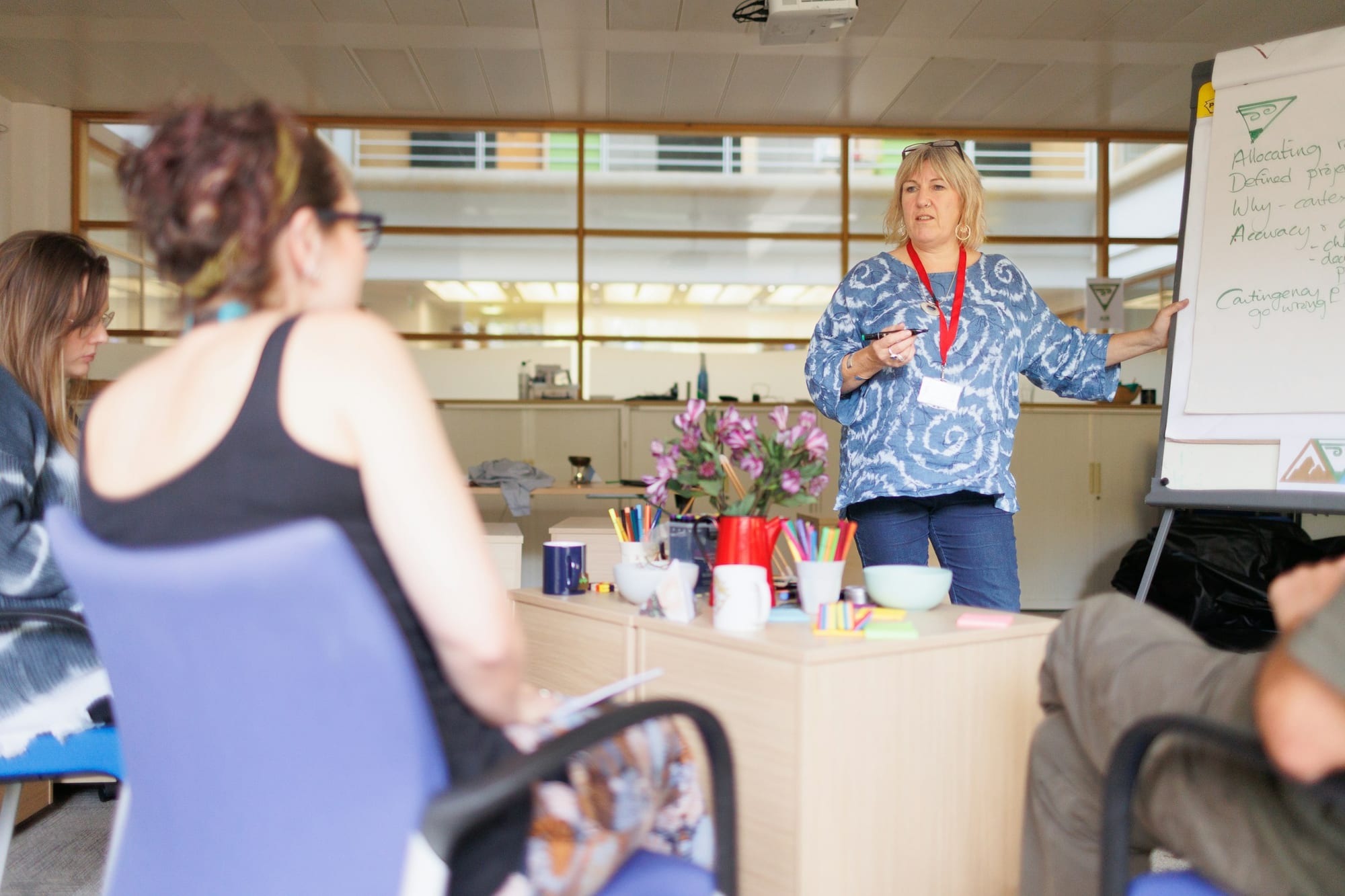
Community partners reviewing evidence and decisions around a shared table

Impact

Impact is not a claim. It is a learning discipline.

PRG helps partners define progress with communities, examine evidence without hiding uncertainty, and adapt while there is still time to improve the work.

Discuss a partnership

Progress should be defined with communities, not announced to them.

PRG connects community-defined change with evidence that helps partners make choices during the work, not only describe it afterward.

The stories below are practice scenarios. They illustrate methods and questions, not completed PRG engagements or claimed results.

Practice scenarios

See how different questions reshape the work

Each scenario begins with a real pattern in community-serving systems while remaining explicitly illustrative.

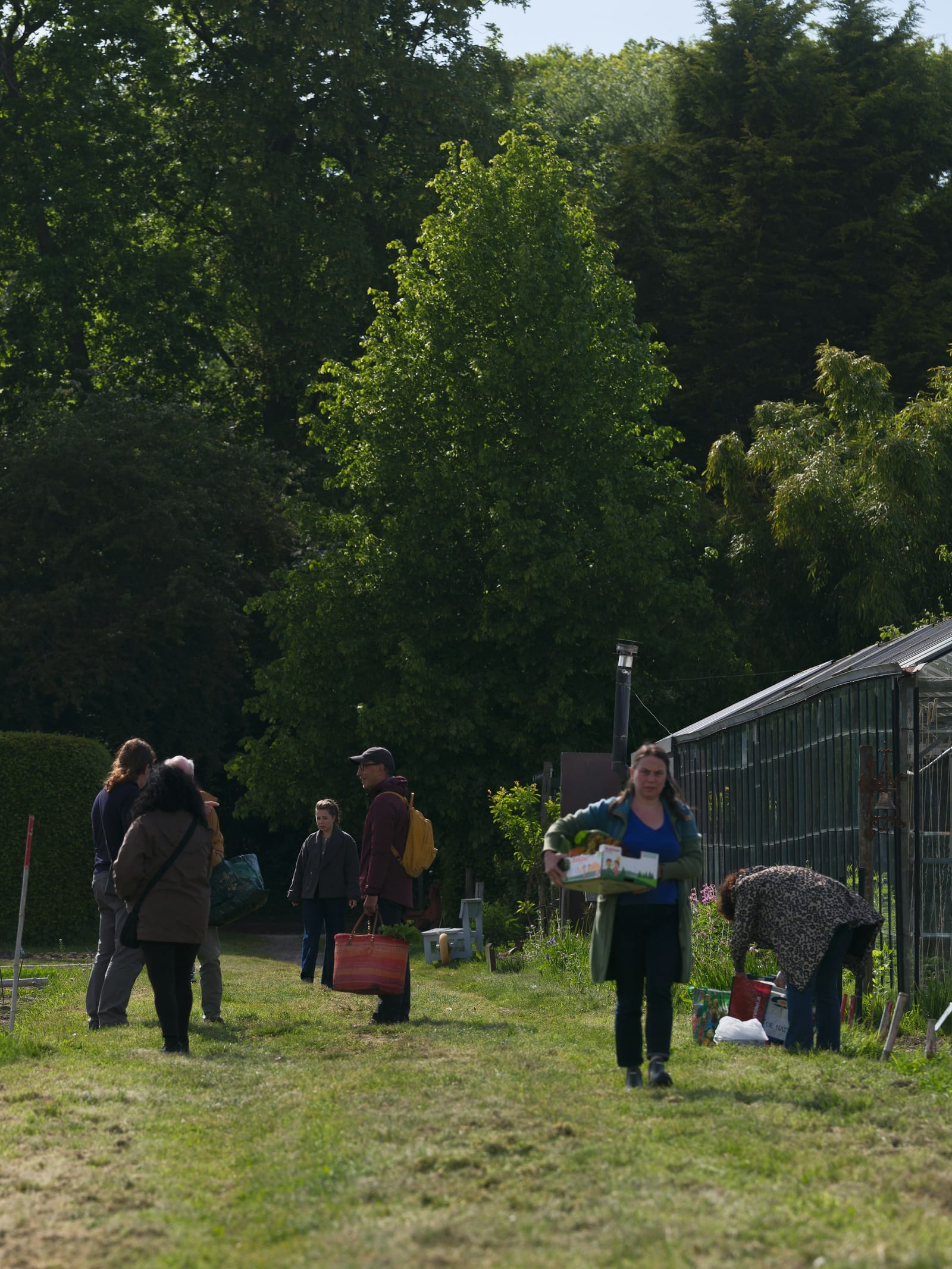
Neighbors working together in a shared community garden

Illustrative scenario

A neighborhood food access coalition

Context
Residents encounter affordability, transport, schedule, and trust barriers that no single provider can resolve.
Possible shared move
Map the lived access journey with residents, retailers, service groups, and public partners, then test a small set of coordinated changes.
What to learn
Whether access becomes more reliable without shifting new cost or burden onto residents and local organizations.
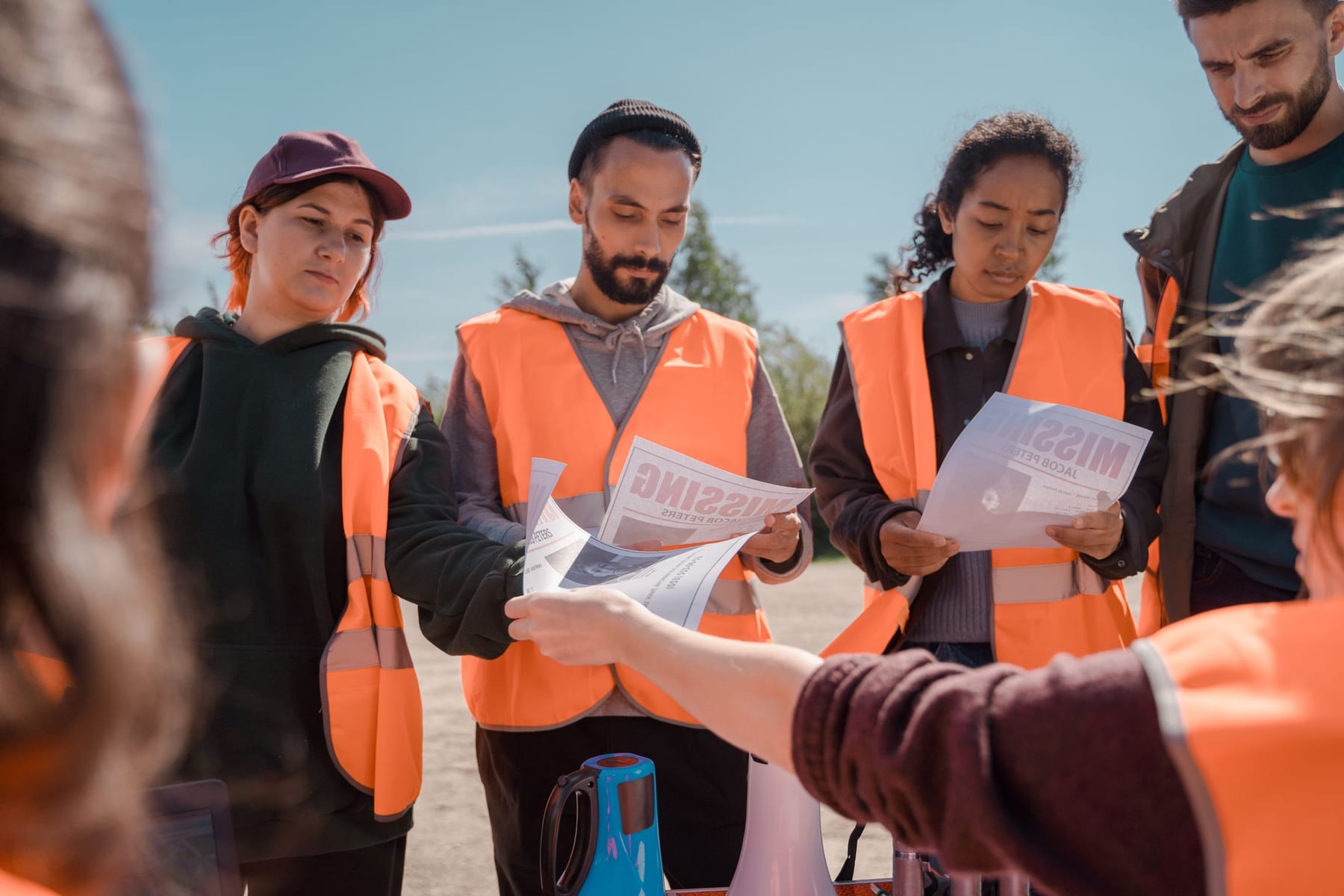
Community volunteers and service partners preparing outreach materials

Illustrative scenario

A community health navigation network

Context
People receive referrals across services but remain responsible for connecting complex eligibility and follow-up processes themselves.
Possible shared move
Trusted connectors and providers redesign priority handoffs with clear consent, roles, and escalation paths.
What to learn
Whether navigation feels clearer, continuity improves, and frontline workload remains sustainable.
Young people and facilitators mapping an opportunity pathway in a workshop

Illustrative scenario

A connected youth opportunity pathway

Context
Young people move among education, mentoring, work exposure, and support programs that define progress differently.
Possible shared move
Young people and partners map transitions, agree on shared principles, and test where one accountable relationship can improve continuity.
What to learn
Whether young people experience greater agency, belonging, and clarity while partners build the capacity to continue.

A learning arc

Evidence follows the work from question to continuation

The sequence is deliberate but adaptive: each review can change the next action.

  1. 01

    Define

    Agree on the change sought, for whom, and what decisions evidence must support.

  2. 02

    Understand the starting point

    Examine current experience, variation, assets, constraints, and data quality.

  3. 03

    Test

    Track early implementation and experience signals before outcomes are expected.

  4. 04

    Interpret

    Review evidence with participants and distinguish signal, assumption, and context.

  5. 05

    Adapt

    Change the work, document why, and identify the next uncertainty.

  6. 06

    Sustain

    Transfer ownership of measures, review routines, and community accountability.

A balanced evidence frame

Hold experience, delivery, and conditions in view

One indicator cannot explain whether change is meaningful or sustainable. These lenses prompt a fuller review.

Lived experience

Does the work feel accessible, respectful, relevant, and trustworthy?

Conversation, observation, journey feedback, and participant-defined signals

Service practice

Are reach, quality, continuity, and responsiveness changing?

Operational patterns, frontline reflection, handoffs, and service-use data

Enabling conditions

Can relationships, resources, roles, and rules carry the change?

Partner decisions, resource flows, capability, governance, and contextual shifts

When the signal is difficult

Learning includes what did not work as intended

An honest review asks whether the idea was wrong, implementation was incomplete, context changed, or evidence is insufficient. The next choice may be to stop, adapt, or test again.

01

Notice surprise

Ask what changed unexpectedly and whose perspective helps explain it.

02

Examine burden

Look for administrative, emotional, or financial cost the work moved onto others.

03

Choose honestly

Decide what should stop, change, continue, or remain unresolved rather than defending the original plan.

Community interpretation

Evidence becomes stronger when people can question its meaning

What did the numbers miss about how this change feels in daily life?
Whose experience is absent, and what decision could that absence distort?
What should partners return to the community before acting on this interpretation?

These prompts model an accountable review practice; they are not quotations from named PRG clients.

Build learning into the work

What would your team need to know soon enough to act differently?

Start with the decision, not the dashboard. We can help shape a practical approach to evidence and adaptation.

Discuss a partnership